Showing posts with label Spinner. Show all posts

Wednesday, October 26, 2016

Asking young people to rethink education

The World Bank
Oni Lusk-Stover, Myra Murad Khan

Young people need to weigh in on actionable solutions for education.
(Gulbakyt Dyussenova/ World Bank)

"In some parts of the world, students are going to school every day. It's their normal life. But in other parts of the world, we are starving for education... it's like a precious gift. It's like a diamond…"

Malala Yousafzai

 
The voices of children in Time for School: 2003 – 2016a documentary following five youth over 12 years in India, Brazil, Kenya, Afghanistan, and Benin as they strive to attain a basic education, is clear. The stories of these young people remind us that achieving learning for all is not only a global commitment but also a deeply personal struggle faced by millions of children around the world.

Children like Shugufa Sohrabi, an Afghani girl profiled in Time for School. Shugufa enrolls in school at age eleven following years in a Pakistani refugee camp after her family fled Taliban violence in Afghanistan. In the film she asserts, “I always want to study.”

Children like Nanavi Todénou from Benin, the first girl in her family to enroll in school. Nanavi struggles to continue with her education when her father dies and the family faces the difficult and life-changing choice between school or marriage for Nanavi.

The challenges faced by Shugufa and Nanavi stay with you long after watching but, unfortunately, their struggles are not unique. These challenges are among the many faced by approximately 124 million children out of school, and the millions of children who start school but never complete their education.

Education is a fundamental human right. The world recognizes the power, privilege, and economic benefits of a quality education to enable individuals to lead healthy, productive lives and to foster social cohesion and inclusion as well as economic growth. We collectively recognize the need to invest in early development and learning to ensure children can reach their full potential.

Global support

Global leaders reemphasized the importance of education and a collective commitment to the Sustainable Development Goal 4 on Quality Education (SDG4) and the Education 2030 Framework for Action. The global commitment to the SDG4 is not only supported by government action and the work of the development community, but also through a robust global evidence base about what ‘works’ in education and the ever-increasing availability and use of data.

However, there’s an urgency for new approaches (see the Global Education Monitoring Report 2016 and The Learning Generation). On current trends, only 70 percent of children in low income countries will complete primary school in 2030. Given the present trends, in 2030, only one out of 10 young people will be on track to gain basic secondary-level skills in low-income countries. The latter highlights that: “The number of international migrants, many of whom will have been denied the opportunity to acquire skills, is estimated to grow to around 400 million people by 2050. With education critical to resilience and cohesion, the dearth of skills will increase vulnerability to shocks and the risks of instability across the world.”

Challenges now and ahead

Many of the challenges are clear. Others, such as the impact of gender-based violence including in, though no limited to, school or Menstrual Hygiene Management, require further attention, research, and support. What is evident is that the solutions and how to deliver on a global promise in a rapidly evolving and shifting world require a collective focus and urgency.

Given this, the theme for this year’s World Bank Group Youth Summit could not be more timely and relevant: Rethinking Education for the New Millennium. Who better to explore the challenges and seek actionable solutions than those who own the future?

The four sub-themes that the Youth Summit will explore include: innovation and technology in education; skills for the new economy; gender equality in education; and education in crisis zones. These topics are indeed imperative to address the education challenges facing young people, families, communities, governments, and the international community.

Youth voices

On November 14 and 15, the Youth Summit  will seek to give youth an active voice in creating the vision for the future of education. With over 400 participants expected in Washington, D.C. and thousands participating online from across the world, there will be many opportunities to connect and think of viable solutions.

On the second day, selected participants will have the opportunity to pitch their innovative ideas to transform education.

While the challenges are daunting, the solutions and actions for change are within our reach and, arguably, no group is better placed to be the thinkers and change-makers for a better tomorrow than those who will lead the future.

Read more ➤

Record Number of Economies Carried Out Business Reforms in Past Year: Doing Business

The World Bank

WASHINGTON, October 25, 2016 – A record 137 economies around the world have adopted key reforms that make it easier to start and operate small and medium-sized businesses, says Doing Business 2017Equal Opportunity for All, the World Bank Group’s annual report on the ease of doing business.

The new report finds that developing countries carried out more than 75 percent of the 283 reforms in the past year, with Sub-Saharan Africa accounting for over one-quarter of all reforms.

In its global country rankings of business efficiency, Doing Business 2017 awarded its coveted top spot to New Zealand, Singapore ranks second, followed by Denmark; Hong Kong SAR, China; Republic of Korea; Norway; United Kingdom; United States; Sweden; and Former Yugoslav Republic of Macedonia.

The world’s top 10 improvers, based on reforms undertaken, are Brunei Darussalam; Kazakhstan; Kenya; Belarus; Indonesia; Serbia; Georgia; Pakistan; United Arab Emirates (UAE); and Bahrain.

The report cites research that demonstrates that better performance in Doing Business is, on average, associated with lower levels of income inequality, thereby reducing poverty and boosting shared prosperity.

“Simple rules that are easy to follow are a sign that a government treats its citizens with respect. They yield direct economic benefits – more entrepreneurship; more market opportunities for women; more adherence to the rule of law,” said Paul Romer, World Bank Chief Economist and Senior Vice President. “But we should also remember that being treated with respect is something that people value for its own sake and that a government that fails to treat its citizens this way will lose its ability to lead.”

Doing Business data points to continued successes in the ease of doing business worldwide, as governments increasingly take up key business reforms. Starting a new business now takes an average of 21 days worldwide, compared with 46 days 10 years ago. Paying taxes in the Philippines involved 48 payments 10 years ago, compared to 28 now and in Rwanda, the time to register a property transfer has dropped from 370 days a decade ago to 12 days now.

This year’s Doing Business adds gender measures to three indicators - Starting a Business, Registering Property and Enforcing Contracts - finding disparities in 38 economies. Of these, 23 economies impose more steps for married women than men to start a business. Sixteen limit women’s ability to own, use and transfer property. Doing Business finds that, in these economies, fewer women work in the private sector both as employers and employees.

The report also features expansions to the Paying Taxes indicator, to cover post-filing processes, such as tax refunds, tax audits and administrative tax appeals, to better understand the overall tax environment. Since 2004, when Doing Business started, a total of 443 reforms have been recorded under the Paying Taxes indicator, the second highest number of reforms, with 46 reforms implemented in the past year.

However, easing the requirements for Starting a Business is, by far, the most common area for reform, with almost 600 reforms recorded since 2004. Of these, 49 reforms were introduced during the past year.

“Government policy plays a huge role in the daily operations of domestic small and medium-sized firms and onerous regulation can divert the energies of entrepreneurs away from developing their businesses or innovating. This is why we collect the Doing Business data, to encourage regulation that is designed to be smart, efficient, accessible, and simple,” said Augusto Lopez-Claros, Director of the World Bank’s Global Indicators Group, which produces the report.

This year’s Doing Business report includes a pilot indicator on public procurement regulations. The report studies procurement in 78 economies across five main areas: accessibility and transparency, bid security, payment delays, incentives for small and medium enterprises and complaints mechanisms. Public procurement represents, on average, 10 to 25 percent of an economy’s GDP, making the procurement market a unique pool of business opportunities for the private sector.

By region, East Asia and the Pacific is home to two of the world’s top 10 ranked economies, Singapore and Hong Kong SAR, China, and two of the top 10 improvers, Brunei Darussalam and Indonesia. The pace of reforms picked up significantly in the past year, with the region’s economies implementing a total of 45 reforms to improve the ease of doing business.

The Europe and Central Asia region was also a major reformer during the past year, with Belarus, Georgia, Kazakhstan and Serbia amongst the world’s top 10 improvers. Europe and Central Asia has consistently been the region with the highest average number of reforms per economy and is now close to having the same good practices in place as the OECD high-income economies.

Business reform activity accelerated in Latin America and the Caribbean with over two-thirds of the region’s economies implementing a total of 32 reforms in the past year, compared with 24 reforms the previous year. The bulk of the reforms were aimed at improving tax payment systems, facilitating cross-border trade and starting a new business, with Brazil implementing the most reforms in the past year.

The Middle East and North Africa region saw the most reforms implemented in the past year since 2009, with 35 reforms in 15 of the region’s 20 economies. Among the reformers, the UAE and Bahrain were among the world’s top 10 improvers. However, the region features the greatest gender disparities, with 70 percent of the economies creating barriers for women entrepreneurs.

In South Asia, five of the region’s eight economies implemented a total of 11 reforms in the past year, compared with nine the previous year. Pakistan, which was among the world’s top 10 improvers, implemented several reforms this past year, as did India and Sri Lanka. The bulk of the business reform activity in the region was aimed at facilitating cross-border trade. However, Afghanistan and Pakistan, stipulate additional hurdles for women entrepreneurs.

Sub-Saharan Africa economies stepped up the pace of reform activity, with 37 economies undertaking a total of 80 business reforms in the past year, an increase of 14 percent from the previous year. For the second consecutive year, Kenya was among the world’s top 10 improvers, while seven economies implemented four or more reforms each in the past year. However, 13 economies in the region stipulate additional hurdles for women entrepreneurs.

“The overarching goal of Doing Business is to enable entrepreneurship, for women and men, particularly in low and middle income countries. That governments around the world are taking up the challenge of improving the business climate, to enable job creation, is worth celebrating and we look forward to continue recording the successes we have seen this past year in the years to come,” said Rita Ramalho, Manager of the Doing Business project.

The full report and accompanying datasets are available at www.doingbusiness.org

Read more ➤

International Infrastructure Support System now available in 2 more languages

ADB
Andrew McIntyre

Participants at the IISS training in Bandung.

For national and local governments and city leaders keen to prepare infrastructure projects that can better secure financing and expertise, the International Infrastructure Support System (IISS) is now available in Bahasa Indonesia and Mongolian, as well as English, Arabic, Portuguese and Spanish. Twelve more languages, including Mandarin, Japanese, Korean, Russian, Vietnamese, German and Italian, are set to follow by 2020.

IISS—originally developed by ADB and the Sustainable Infrastructure Foundation, and fully functional since the start of 2016—is a free online platform that uses templates to ensure government officials provide the necessary technical and preparatory information that financiers need to assess both public and private projects. Around 50 projects valued at around $15 billion are currently registered on the system.

Asia and the Pacific alone are estimated to need nearly $1 trillion per year to fund key infrastructure. The population of the region’s cities, in particular, is growing at a rapid 120,000 per day on average, and Asian cities are struggling in the face of overburdened public transport, energy, water, and other infrastructure and services. But public and private financiers are frequently deterred from investing in these critical—and often bankable—projects by the dearth of relevant information or the large efforts needed to find it.

Government officials in many developing countries, on the other hand, have little experience in preparing projects, particularly public-private partnerships, and are often not aware of what information is needed or how to present it. To help, ADB’s Future Cities Program has provided training on IISS in Bandung, Indonesia and will soon also do so in Ulaan Baatar, Mongolia and in Suva, Fiji. National government staff in Georgia also have recently been trained.

Bandung, for one, estimates its private infrastructure investment requirements at more than $4.4 billion, spanning over 90 commercial, social and government infrastructure projects, if officials are to make the city both inclusive and sustainable. Bandung has just started using IISS to more comprehensively prepare these projects in order to better reach out to investors, joining 18 governments already using the platform.

IISS currently covers 33 infrastructure sectors, ranging from waste water treatment plants, tunnels and dams to hospitals, energy-efficient buildings, and geothermal plants. All project profile templates have been peer-reviewed by almost 4,000 engineering, financing, and software experts and are regularly assessed by operators, financiers, contractors and investors in infrastructure assets and services to make sure they remain relevant. Templates for more infrastructure sectors—such as district heating, smart cities bundled by region, rural dairy industry development, and fiber-optic networks—will be added soon.

Being online means government officials can collaborate on project preparation regardless of location, and ultimately should ensure a standardized, consistent, and scalable approach that allows faster and better preparation of infrastructure projects. All the multilateral development banks and the G20 are already using IISS as their key project preparation platform. Moreover, filing future infrastructure projects online has the benefit of encouraging transparency, since the public as well as anyone else is able to view the projects once published.

Read more ➤

ADB President Calls for Expanded CAREC Agenda to Meet New Challenges

ADB

ADB President Takehiko Nakao, Pakistan Prime Minister Mian Muhammad Nawaz Sharif, Finance Minister and ADB Governor Ishaq Dar, and ADB VP Wencai Zhang with heads of delegation at the opening of the 15th CAREC Ministerial Conference in Islamabad.

ISLAMABAD, PAKISTAN – Asian Development Bank (ADB) President Takehiko Nakao concluded a 2-day visit to Pakistan today. He met with Prime Minister Mian Muhammad Nawaz Sharif; the Finance Minister and ADB Governor, Senator Ishaq Dar, and other senior officials; and attended the 15th Central Asia Regional Economic Cooperation (CAREC) Ministerial Conference, which welcomed Georgia as its 11th member.

At the Ministerial Conference, CAREC Ministers agreed to formulate a new long-term strategy for CAREC to enhance its relevance in the context of changing economic and development conditions. The CAREC Secretariat will initiate work on CAREC 2025 immediately with a view to completing it by 2018.

The CAREC members comprise Afghanistan, Azerbaijan, the People’s Republic of China (PRC), Georgia, Kazakhstan, Kyrgyz Republic, Mongolia, Pakistan, Tajikistan, Turkmenistan, and Uzbekistan. 

In a special address at the meeting, Mr. Nakao said CAREC had made a valuable contribution to the region’s development but its future will depend on how it adapts to changing economic and development conditions in the region and beyond. 

“Regional infrastructure and trade facilitation will likely remain the core of the program but an expanded agenda and new approaches need to be considered,” he said. “With our experience promoting regional cooperation in other parts of Asia and Pacific, ADB is well placed to support CAREC in any new directions the program identifies.”

ADB functions as the Secretariat of the CAREC Program, which promotes regional cooperation in transport, energy, trade facilitation, trade policy, and other key sectors of mutual interest. Cumulatively, the CAREC Program has mobilized $28.9 billion of investments since it was set up in 2001 until end of September 2016, over a third, or $10.1 billion, of which was financed by ADB. 

ADB has helped CAREC countries adapt to changing economic conditions. ADB provided countercyclical support to Kazakhstan and policy-based lending to improve the business climate in the Kyrgyz Republic and Tajikistan, and to promote domestic resource mobilization in Georgia. ADB’s continued support to small and medium enterprises, infrastructure investment, and skills development aim to boost longer-term growth.

In a joint statement, the CAREC Ministers noted progress on transport, having reached 93% of their road building or upgrading target to 2020 and adopting a road safety strategy for 2017-2030 that aims to at least halve road fatalities in CAREC by 2030 compared to 2010 levels. This will save an estimated 23,000 lives.

Along the six CAREC transport corridors, 7,230 kilometers of road and more than 4,500 kilometers of rail have been built or rehabilitated. The ministers also adopted a railway strategy to 2030, prioritizing six railway corridors aligned with trade routes. 

They were pleased with the status of the Almaty-Bishkek Corridor Initiative as the pilot corridor for CAREC economic corridor development and endorsed an investment framework for the corridor.

On trade policy, they congratulated Kazakhstan and Afghanistan on acceding to the World Trade Organization, and called for deeper collaboration with international development partners, especially in the areas of sanitary and phytosanitary measures, and technical barriers to trade. 

They also noted progress on major energy projects coming on stream. 3,835 kilometers of power transmission lines have been constructed during 2013-2015, supporting the expansion of energy trade between Central Asian countries endowed with surplus energy and energy deficit countries in South Asia, including Afghanistan, Pakistan, and beyond. Countries are jointly planning and constructing energy infrastructure. One important example is the Turkmenistan-Uzbekistan-Tajikistan-Afghanistan-Pakistan interconnection program funded by ADB. 

Through the ADB-supported CAREC Institute, based in Urumqi, PRC, the program is undertaking capacity building and knowledge work for regional cooperation.  An agreement will be signed on the sidelines of the Ministerial Conference establishing the Institute’s legal presence as an intergovernmental organization.  

ADB, based in Manila, is dedicated to reducing poverty in Asia and the Pacific through inclusive economic growth, environmentally sustainable growth, and regional integration. Established in 1966, ADB in December 2016 will mark 50 years of development partnership in the region. It is owned by 67 members—48 from the region. In 2015, ADB assistance totaled $27.2 billion, including cofinancing of $10.7 billion.

Read more ➤

Vietnam: Zero Duties for Rice, Tobacco

KHMER TIMES
SOK CHAN 

Commerce Minister Pan Sorasak (far left) and Vietnamese Minister of Industry and Trade Tran Tuan Anh (far right) together sign the bilateral trade enhancement agreement. Prime Minister Hun Sen (third from left) and Vietnamese Prime Minister Nguyen Xuan Phuc (fourth from left) act as witnesses. Supplied

Vietnam agreed yesterday to waive all duties on a total of 300,000 tons of rice and 3,000 tons of dried tobacco exported annually from Cambodia to the country, according to a bilateral agreement signed at two back-to-back summits to promote economic cooperation in the Greater Mekong Sub-region.

The bilateral trade enhancement agreement between Vietnam and Cambodia, signed in Hanoi by Commerce Minister Pan Sorasak and the Vietnamese Minister of Industry and Trade Tran Tuan Anh at the 7th Ayeyawady-Chao Phraya-Mekong Economic Cooperation Strategy Summit (ACMECS 7) and the 8th Cambodia-Laos-Myanmar-Vietnam Cooperation Summit (CLMV 8), also gives special preferential treatment to 39 export items from Cambodia and 29 items from Vietnam.

Soeng Sophary, spokesperson at Cambodia’s Ministry of Commerce, told Khmer Times yesterday that the bilateral agreement between Cambodia and Vietnam had been signed several years ago, but had expired recently.

“So both parties took advantage of these summits to renew it, and at the same time add new items that would be given tariff-free status by two countries,” said Ms. Sophary.

Ms. Sophary, however, clarified that this was the first agreement between Cambodia and Vietnam that included Cambodian rice exports to the neighboring country.

“These rice exports will have to pass through customs checkpoints at the border to crackdown on smuggling and ‘unofficial exports’,” she said.

Ms. Sophary stressed that since Vietnam is one of the leading rice producers in the Mekong region, Cambodia was not expected to export too much rice to its neighbor. However, she said, the agreement was more focused on strengthening diplomatic ties through trade.

“The bilateral agreement has also paved the way for the private sector to be greater involved in trade between Cambodia and Vietnam,” she said.

“Vietnam may not have premium rice like Cambodia, so somehow they need those kinds of premium rice. This is where the private sector can fill in the gap.”

According to the Viet Nam News’ website, Vietnamese Prime Minister Nguyen Xuan Phuc addressed the opening of the summits.

He reportedly said the CLMV and ACMECS have contributed to important achievements, such as promoting the socio-economic development of each country, helping with the establishment of the Asean Community and aiding peace and stability in the region.

“We are presented with excellent opportunities for the development of CLMV and ACMECS. At these summits, we will discuss new landscapes and together work out ways and means to build dynamic and competitive economies with sustainable and inclusive growth,” Mr. Xuan Phuc was quoted as saying by Viet Nam News.

Read more ➤

NBC, CRF Offer Rice Loan Support

KHMER TIMES
MAY KUNMAKARA

To qualify for the government’s emergency loan, millers need large stocks of stored rice to put up as collateral. Reuters

In an effort to help small and medium-sized rice millers and exporters that are presently unable to provide suitable collateral to qualify for the government’s emergency $27 million rice loan, the National Bank of Cambodia (NBC) has joined with the Cambodia Rice Federation (CRF) to call on the financial sector to be more flexible.

According to a joint report released yesterday, the NBC and CRF will work together to ensure that millers are able to use other methods to secure loans to allow them to buy and process paddy rice during the ongoing harvest.

At present, to qualify for the government’s loan, distributed via the Rural Development Bank, millers need large stocks of stored rice to put up as collateral. That loan was unveiled last month as an effort to combat falling rice paddy prices and cash-flow issues that have caused unrest in the rice industry during peak harvest time.

Based on the results of our research into increasing the financing for the agricultural sector, the banks and microfinance institutions should consider the capability of repayment rather than collateral by using data from the Credit Bureau, which analyzes and evaluates customers and could pave the way for those who lack suitable collateral to get access to loans,” the report says.

“The acceptance of only non-movable assets [land, buildings etc.] as collateral can exclude customers who don’t have fixed assets...so the financial institutions should consider inventory financing and warehouse receipt financing to be one form of giving loans to customers,” it adds.

Bun Mony, CEO of the newly formed Sathapana Bank, welcomed the initiative but stressed that the NBC must further clarify how to accept moveable assets as loan collateral.

“Of course, some banks or MFIs [microfinance institutions] already do this but not widely. We don’t mind treating movable assets as the collateral in order to give more loans to those millers or exporters, but we also want the National Bank of Cambodia to make sure that we have the proper regulations to avoid any risks,” Mr. Mony told Khmer Times.

“Actually, in many other countries they accept movable assets as the collateral for loans but we are not clear on how to control and manage them [in Cambodia] if the owners sell them without informing us – that is the risk. But, if our regulator can guarantee that, we are keen to do it.

A leading rice miller and exporter, who asked not to be named, said that the idea has been discussed for almost five years already with input from major multilateral institutions such as the World Bank and the Asian Development Bank.

“It will not make any different by just recommending this system, as what we really need is a legal framework which includes insurance to cover the risks, and guarantees from the government.”

“It is true that most banks still prefer fixed assets for financing, but the biggest issue or challenge is not about financing but the lack of low-interest financing that the millers and exporters are crying out for.”

“We are competing against regional and global players like Vietnam, Thailand and India for the same market so cost competitiveness is the biggest issue that Cambodia needs to overcome if we want to survive and able to realize the  one million ton [export] target,” they said.

According to the joint report, the financial sector has disbursed some $2.3 billion – $1.2 billion from banks, and $1.1 billion from MFIs, to the agriculture sector. Seventy percent of loans from banks, and 22 percent from MFIs went to rice millers and exporters. 

Read more ➤

A step change in capacity development

DEVEX
Warren Turner

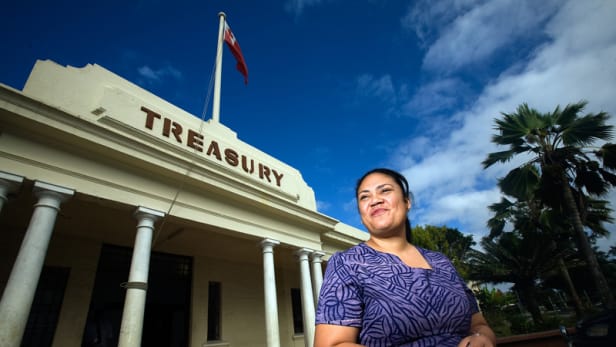
Tufui Faletau stands outside the Treasury building in Nuku'alofa, Tonga. Photo by: Asian Development Bank / CC BY-NC-ND

ADB recently reviewed its approach to capacity development in developing member countries, broadly defined as the process where a country raises its capacity to manage its affairs successfully.

It is the most comprehensive review since ADB’s approach was adopted in 2007 with around 140 country strategies and projects assessed. We also surveyed more than 50 departments and agencies in developing member countries and 130 ADB staff.

So what are the findings and what have we learned that can guide our future efforts?

Predictably, the review finds strengths and weaknesses in ADB’s approach. A major achievement is the elevation of capacity development to a corporate priority. Alongside governance, capacity development is one of the five major thematic areas under Strategy 2020, ADB’s long-term strategic road map. Another is mainstreaming capacity development in our operations. Between 2008 and 2015, the annual number of approved operations contributing to capacity development increased by 75 percent. The financial value of these operations was about 150 percent higher in 2015 than in 2008.

Across countries and sectors, we noted good practices that fully meet our quality criteria. These are in country ownership, baseline assessment, attention to country context, results frameworks, and a focus on the different levels of capacity development — individual, organizational, networks, and institutional enabling environment. There are successful long-term, sectorwide approaches aimed at comprehensive reforms. Meanwhile, newer modalities, such as facility-type technical assistance, multitranche financing facilities, and results-based lending, provide more flexibility to adapt to changing circumstances.

Where we could do better is in ADB’s internal support systems. Guidance on how to address institutional and capacity issues could be improved with more targeted learning and knowledge sharing. Operational processes could draw more focus onto quality of support, including diagnostic depth and quality. Results frameworks should reflect outcomes at levels that would indicate enhanced capacity. There is also a strong preference for advisory support and fewer cases where knowledge services, innovative solutions, and collaborative practices are applied.

Three important trends in capacity development have emerged over the last decade. They are worth considering as we look into the future.

1. An increasing focus on higher-level results.

The broad concept of capacity development — and of the related concept of governance — is being replaced by a sharper focus on institutional performance. At the outcome level, capacity development aims at building performing and responsive institutions that deliver better development results to citizens. Lower levels of accomplishment — such as the number of people trained — are accepted less as valid capacity results. In and by themselves they do not ensure that better institutional performance will follow, even if they may be valid activities on the road to better performance.

2. There is greater attention to local context and drivers of change.

Capacity development needs to factor in political economy and reform readiness issues in a concrete and practical way, rather than relying exclusively on technocratic blueprints of best practices. Problem-driven, iterative and incremental approaches are gaining ground, especially in settings where the institutional and governance starting points are weak. For countries further along their development trajectory, exposure to cutting edge practices, knowledge and innovations are now more in demand.

3. The development community is looking beyond traditional support.

There is a shift away from a narrow focus on training, which has been synonymous with capacity development no matter its actual effects. Knowledge-sharing and innovation practices are being applied as drivers of learning, change, and enhanced performance. Peer exchanges between countries are on the rise where there are successful experiences to share. There are also less hands-on approaches, working through or in partnerships with research institutions, the private sector, and civil society.

Why is there a need for a step change?

Better performing institutions matter for the Asia-Pacific region, and thus for ADB. An enabling environment for inclusive economic activities and services hinges on institutions performing well.

Both the landscape of institutions and the public sector itself are changing rapidly. Cross-sectoral and complex challenges such as income inequality, gender disparities, green growth, urban development, and financial sector regulation demand new capabilities. There is an increasing focus on the role of subnational governments, the private sector, and citizens in how services are produced and delivered. The traditional image of omnipotent bureaucrats towering behind paper-stacked desks is fading, while consultative, entrepreneurial, and innovative practices are gaining ground.

Public sector performance in the region has gradually improved, but significant challenges remain. There are also contrasting patterns of institutional performance between and within countries. This picture of diversity offers new challenges, but also opportunities for different solutions.

With the international community reaffirming its commitment to capacity development in the Sustainable Development Goals, we must refocus our approaches to supporting better performing institutions. At ADB, we are looking at the integration of capacity development and governance actions as means to achieve specific institutional performance. It is recognized that effective, accountable, and transparent institutions foster more cost-effective delivery of infrastructure and services, stimulate inclusive growth, and enhance development effectiveness.

We find that global networks are promoting similar directions and provide helpful platforms for deepening the discussion among development actors. They include the Effective Institutions Platform, Development Partners Network on Decentralization and Local Governance and more recently, the Doing Development Differently community.

Read more ➤

How universities are sowing the seeds to Feed the Future

DEVEX
Catherine Cheney 

Habiba Tukhtaeva shows off the vegetables she grew in her family's kitchen garden with assistance from Feed the Future. In Tajikistan, Feed the Future works with small farmers to help them to grow more nutritious food. Photo by: Sayora Khalimova / USAID / CC BY-NC-ND

A chimney solar dryer, which dries fruits and vegetables twice as fast as a traditional solar dryer, and a zero energy cool chamber that prolongs the life of fresh produce sit in a demonstration garden on the campus of the University of California, Davis, part of a lab funded by the U.S. Agency for International Development.

“We do research and adapt and modify technologies to make them more feasible for resource poor farmers who farm on a small scale in the developing world,” said Elizabeth Mitcham, director of the Horticulture Innovation Lab at UC Davis.

There are 24 Feed the Future Innovation Labs at universities in the U.S. that partner with developing country research institutions as part of the U.S. government’s global hunger and food security initiative. Five of those labs are at UC Davis — the most labs at a single university —  and it is home to a number of examples of how this investment in research, and collaboration with higher education, is furthering efforts to end hunger, malnutrition and poverty.

“Feeding the future begins with the present,” said Robert Bertram, chief scientist in USAID’s Bureau for Food Security, said at a recent event at UC Davis.

While great progress has been made, a lot more work remains to eliminate hunger, he said. The innovation labs are a key part of the collaboration and capacity building that is central to the Feed the Future approach, he added.

The labs at UC Davis focus on a variety of topics, from market access, to climate resilient chickpeas and millet to genomics to improve poultry and horticulture. The labs at different universities collaborate, either individually or through broader partnerships. Through CGIAR, for example, the labs collaborate with researchers and scientists across 15 global research centers on areas ranging from developing animal vaccines to increasing access to nutrient dense foods.

One of the problems the labs have addressed is the issue of postharvest loss.

Step inside a tin shed at the Horticulture Innovation Lab demonstration garden in Davis and you will go from 73 degrees Fahrenheit to 43 degrees Fahrenheit, all because of a small black device, and a few wires, that trick a standard air conditioner, causing it to work harder so that it turns the unit into a sort of refrigerator.

It is the CoolBot, a technology invented by a farmer in upstate New York who could not afford a walk-in cooler. From UC Davis to the University of Nairobi, which is a Horticulture Innovation Lab partner, postharvest loss researchers saw the gadget as a compelling low-cost solution for post harvest losses in developing countries. They are working to make the CoolBot a better fit for those markets — from using solar panels for energy, to using chicken feathers for insulation.

“There’s one part of the supply chain that has been neglected and that is what happens to this produce after it has been harvested,” said Jane Ambuko, a lecturer at the University of Nairobi, who received a grant from USAID/Kenya to pilot the technology among farmers in her country. 

Elizabeth Mitcham at the Horticulture Innovation Lab at UC Davis. Photo by: Catherine Cheney

While technology plays an important role in boosting the productivity of smallholder farmers, there is a key difference between what is technically possible and what is realistically doable indeveloping country contexts, Michael Carter, director of the Feed the Future Innovation Lab for Assets and Market Access, or BASIS, said at the UC Davis event.

“We try to think about the constraints and what prevents people from taking advantage of what opportunities are already available to them,” he said.

Carter and his team are focused on ways to reduce risks that reduce farmer incomes, destroy assets and prevent them from moving out of poverty. One example is a study conducted during the catastrophic 2011 drought in northern Kenya comparing the impacts of an index-based insurance product and a cash transfer program in pastoralist households, he said.

“If you’re willing to spend $15 on a family every couple of months, would you spend $5 a year that reduces the risk that puts people into that situation?” Carter said. “Not only is it potentially cheaper to keep people from falling into extreme indigence, but most would rather be in charge of their own destiny and have the dignity to produce for their family, not rely on a handout.”

The Kenyan government is now scaling up index-based livestock insurance, which was developed by a team of researchers from UC Davis, Cornell, and the International Livestock Research Institute, a CGIAR partner headquartered in Nairobi, Kenya. The project is a particularly good example of collaborative problem solving between research institutions and the field, Carter said.

That collaborative approach, and an emphasis on discoveries that can immediately benefit smallholder farmers in the developing world, is central to the Feed the Future innovation labs model.

Read more ➤

Tuesday, October 25, 2016

TV white space: The 'most powerful development tool?'

DEVX
Sophie Edwards 

The Solar Cyber is a shipping container turned into an internet shop with computers that run by tapping the broadcast power of “white spaces.” Photo by: Mawingu

Imagine if there were a way to bring fast, cheap and reliable internet access to people living in remote parts of the developing world without laying a single cable, with the whole system powered by the sun.

Now, thanks to a pioneering approach to broadband delivery that utilizes TV white spaces — or unused TV band spectrum — this vision is fast becoming a reality in Kenya through the work of Mawingu Networks.  

Mawingu has been operating a pilot TVWS network in Kenya since 2013, but now plans to scale up its efforts thanks to a $4.1 million loan from the Overseas Private Investment Corp., the U.S. government’s development finance institution.

Devex spoke to Malcolm Brew, co-founder of Mawingu, to find out how TV white space works and to learn more about its potential impact in Kenya and beyond.

What are TV white spaces?

TVWS refers to the gaps, or white spaces, found between TV channels, Brew explained. These are spaces of unused spectrum that TV networks place in between their channels in order to protect broadcasts from interference. They are also known as “guard bands.” Over the past decade, hardware vendors have been busy developing white space devices that can detect and then utilize these unused gaps in the spectrum to transmit digital broadband signal over long distances and provide wireless broadband internet access.

One of the major barriers to regulator’s approval of TVWS technology was the fear that primary licensed TV broadcasters’ transmissions would be interrupted by TVWS devices seeking available frequencies. To ensure this doesn’t happen, the spectrum is managed by a geolocation database, which is run by the telecommunications regulator in each country to identify unassigned frequencies between broadcast television channels. The white space device then communicates with this database to check which frequencies are safe to use.

How is TVWS different from Wi-Fi?

TVWS and Wi-Fi operate at different frequencies. Wi-Fi operates at a high “microwave” frequency at 2.4 gigahertz. This means the wavelengths are small and tend to be absorbed or reflected by objects they encounter, hence Wi-Fi typically only covers a range of approximately 30 to 50 meters and has trouble passing through barriers such as walls and trees.

TVWS, on the other hand, operates at a much lower frequency and has longer wavelengths that can easily travel up to 10 kilometers. Like TV signals, TVWS can penetrate obstacles such as concrete walls and vegetation, even bending over hill tops, making them a good option to serve rural communities.

What is the history of TVWS, and where are we now?

TVWS took off in the U.S. in 2008 after the Federal Communications Commission voted to reallocate unlicensed white space spectrum for public use. This was partly due to the fact that television had largely switched to digital broadcasting, which requires far less space between channels.

According to Brew, TVWS has now “passed the tipping point” with regulators in the U.K., Singapore and Canada also freeing up white space  — and many other countries currently conducting TVWS trials.

For Brew, this represents a “democratizing” of the spectrum, since white spaces are unlicensed; in the past, broadcasters effectively owned these spaces. TVWS also maximizes the spectrum’s efficiency — since more spectrum is being used — and makes room for innovation in new services, according to Brew.

How does Mawingu fit in?

Mawingu started piloting TVWS in Kenya in 2013 in response to the fact that approximately 4 billion people worldwide do not have affordable access to the internet. Those living in poor, remote areas are least likely to get online due to the high costs associated with delivering traditional broadband.

Three passionate development workers, Joakim Vince, Malcolm Brew and Maggie Hobbs, set up Mawingu to see whether TVWS could offer an affordable alternative.  They secured funding from Microsoft’s 4Afrika initiative and the U.S. Agency for International Development to fund the pilot.

What is Mawingu’s model?

Mawingu, which means “cloud” in Swahili, sets up solar-powered wireless internet stations, or “hot spots,” across rural Kenya. These hot spots utilize a combination of fiber optics, high-speed microwave and TVWS radios. Mawingu piggybacks on existing fiber optic cables belonging to major telecom providers, and then extends its own services from their fiber end points.

The idea is to set up enough hot spots so that people can be nomadic and roam from hot spot to hot spot without needing to rely on costly and complex data bundles for internet access offered by mobile phone networks.

The mobile telephone boom, which swept across Africa 15 years ago, was dominated by the pay as you go model and was mainly used to make calls, Brew explained. Now, users are more interested in data packages, especially since platforms such as Skype and WhatsApp offer Wi-Fi powered call and messaging services.

While mobile operators do offer 3G and 4G mobile internet connections, these are very expensive. This is where Mawingu comes in and offers significantly cheaper data packages. It can do this because the TVWS network is unassigned, and so there is no monopoly since the spectrum is unlicensed.

Mawingu also cuts costs by powering its TV base station and mast sites using solar panels; this makes them cheap to install and run compared with traditional telecom stations, which run on electricity and require costly backup diesel generators. By having a “reliable, clean and cheap” solar energy supply, Brew estimated TVWS base stations cost “a hundredth of the price” to construct and operate compared with mobile telephone stations.

What does Mawingu offer customers?

Mawingu customers buy weekly or monthly internet bundles that enable them to access any of Mawingu’s hot spots with a Wi-Fi enabled device.

Bundles cost $1 per week, which gives users 500 megabytes of data, or $3 a month for 2 gigabytes of data. Brew said this is much cheaper than their competitors, who charge approximately $10 per month for the same amount of data. To put this into context, Brew said most Mawingu customers earned less than the minimum wage, which is approximately $3 a day.

The organization currently has hot spots in Laikipia and Meru counties, but plan to add an additional 4,000 over the next 12 months as part of their scale up. 

Mawingu prides itself on providing its customers with unlimited connectivity, although it does limit download speed once consumers have reached the limits of their data package. This differentiates them from mobile operators who frequently cut off service altogether.

“What we’ve done is offer a data bundle where if you go over the limit we won’t cut you off, we just slow it down — so you can still send emails, use Skype, check your bank account and tweet a message, you just can’t watch YouTube,” Brew said.

What potential is there for TVWS in Kenya?

Currently between 10 to 15 percent of Kenyans have regular access to the internet and are able to use it in their daily lives. Mawingu aims to double that percentage over the next 36 months. This could potentially grow Kenya’s gross domestic product by more than 2 percent, Brew said. If Mawingu hits its targets, an additional 3 million to 4 million people could be online by 2020.

The internet has the potential to be transformational because of the way it is used in countries such as Kenya, Brew added.

“In developed markets, the internet is used by a lot of kids and predominantly it’s all about social media,” he said. “However, in rural Africa, young people are using it differently, asking how do I grow better tomatoes, what price can I get for my maize? Rather than using it in a consumptive way, by watching Netflix for example, it is being used in a productive way — as a tool to help themselves get ahead.”

What are the challenges for TVWS?

Brew is confident TVWS technology is here to stay. However, there are still challenges ahead. The first one is around regulation: “This technology is ready now, but it’s misunderstood … regulators haven’t all embraced TVWS, and regulatory policy needs to catch up,” he said.

A second challenge is price. Brew said that while the technology is currently “not cheap enough,” for commercial retailers to use, he is confident it will be competitive within the next 12 months. “We need to hang on a bit longer to see commodity-style pricing,” he said.

What does the future hold for TVWS in Kenya and beyond?

TVWS has the potential to give millions of Kenyans access to the internet, which Brew considers “the most powerful development tool man has made.” But it won’t just stop at Kenya; he said other countries are interested in the Mawingu model. A company in India called AirJaldi, for example, is delivering a similar service with great success.

He also sees TVWS as a crucial part of the “big data” revolution. Brew explained that by connecting more people to the internet, more data can be gathered and analyzed, which in turn can be used to generate more accurate weather forecasts or monitor outbreaks of disease, for example.

Brew thinks this is all part of the “internet of things” where cheap sensors can monitor and gather data on weather or public health data and then push the information into the cloud. 

“Having all this data in one place means we can run analytics and see trends and patterns emerging, which can help us start to predict things before they happen,” he said.

Read more ➤

World Bank Doing Business report finds high rates of gender discrimination

DEVEX
Sophie Edwards 

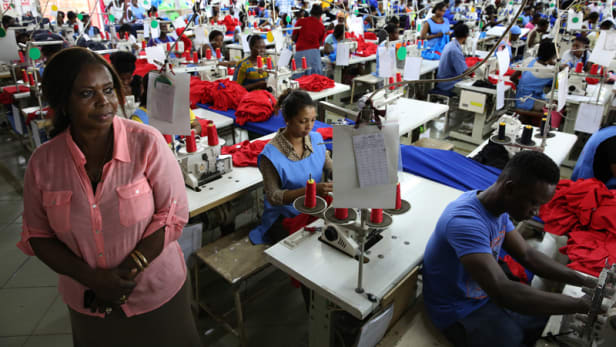
A portrait of Salma Salifu, managing director of Dignity DTRT Apparel in Accra, Ghana. Photo by: Dominic Chavez / World Bank / CC BY-NC-ND

A record 137 countries have removed red tape and made it easier to set up and run businesses in their territories, a new World Bank report has revealed. But the report also found women entrepreneurs are discriminated against in many places across the world.

The finding comes from the latest World Bank Doing Business report, which ranks countries based on how easy it is for private sector companies to start, operate and expand.

The new study, dubbed “Doing Business 2017: Equal Opportunity for All,” points to an overall increase in the number of countries adopting business efficiency reforms, of which 75 percent were in developing countries.

However, the report also finds evidence of gender discrimination: 23 countries impose more steps for married women than men to start a business; 16 countries limit women’s ability to own, use and transfer property; and 17 countries do not place the same weight on a woman’s testimony as a man’s in the civil courts.

The Middle East and North Africa performed especially poorly on gender measures, with 70 percent of the region’s economies discriminating against women. For example, a married woman in Saudi Arabia is required by law to hire a man to manage her business.

Women in Afghanistan and Pakistan also faced additional legal challenges over men, with married women in Afghanistan needing to obtain permission to leave the home prior to registering a company.

The report also found that 13 countries in sub-Saharan Africa imposed additional restrictions on women. For example, women in Cameroon, Benin and Guinea-Bissau are required to take extra steps to register their business compared with men.

This is the first time the Doing Business report, which comes out annually, has included a gender dimension in three indicators: starting a business, registering property and enforcing contracts.

The World Bank produces its rankings by looking at each country’s business regulations and measuring these against a set of 11 indicators, including the time it takes to start a new business, paying taxes, and the time taken to register for a property transfer.

This year, New Zealand topped the rankings followed by Singapore, Denmark and Hong Kong. The U.K. and the U.S. came seventh and eighth, respectively.

Kenya, Indonesia and Pakistan made the top 10 improvers list. Kenya, which was ranked 92 overall, implemented reforms in five areas.

“Simple rules that are easy to follow are a sign that a government treats its citizens with respect. They yield direct economic benefits — more entrepreneurship; more market opportunities for women; more adherence to the rule of law,” said Paul Romer, World Bank chief economist and senior vice president.

Read more ➤

Boosting Business in Rural Georgia

youtube{hWpWSHC1MbQ}

Published on Oct 25, 2016

Outside Georgia's main cities opportunities for business are limited. ADB is working with Georgian banks to train entrepreneurs and provide loans to small businesses so they can grow.

Read more ➤

Assistant Secretary of State to Hold Town Hall Meeting with YSEALI Members

US Embassy

Assistant Secretary of State Daniel Russel will hold a Town Hall meeting with members of the Young Southeast Asian Leaders Initiative (YSEALI) on Thursday, October 27, at 3:15 p.m., as part of a day-long official visit to Cambodia. The Town Hall event is hosted by the American Corner, located on the Norodom Boulevard campus of Paññāsāstra University. Mr. Russel will offer short remarks and take questions from the audience.

YSEALI is the U.S. government’s signature initiative to strengthen leadership development and networking among the youth (age 18-35) of Southeast Asia, with more than 100,000 members across the ten ASEAN countries. This Town Hall event is free of charge and open to all Cambodian YSEALI members as well as other students and young professionals who may be interested in joining the network.

As the Assistant Secretary for East Asian and Pacific Affairs, Mr. Russel is the U.S. government’s highest-ranking diplomat for the Asia-Pacific region. You can find his official bio here.

Media note: This event is closed to press.

Read more ➤

ICT essentials for rebuilding fragile states

The World Bank
Mark Jamison

Photo credit: STARS/Flickr

Enabling a robust market for information and communications technologies (ICTs) is fundamental to rebuilding fragile and conflict affected states (FCSs) and addressing the human suffering. As I have explained elsewhere, ICTs are critical because they can be used to alert people to renewed violence, build community, restart the economy, and facilitate relief efforts. The critical strategies that enable ICTs are protection of property rights and minimal barriers to competition.
 
South Sudan provides examples of the importance of ICT. Whitaker Peace & Development Initiative’s Youth Peacemaker Network tells the stories of John from Twic East Country whose life was spared by a phone call warning of an impending attack, and of Gai Awan, Artha Akoo Kaka, and Moga Martin from Numule whose ICT trainings opened employment and education opportunities. The United Nations High Commissioner for Refugees (UNHCR) explains how ICT can help protect refugees: Biometrics enabled Housna Ali Kuku, a single mother of four, to obtain precisely scheduled treatments for her respiratory tract infection and for her children. GPS is used to identify sources of diseases and to track their spread.
 
A World Bank study by Tim Kelly and David Souter identified five themes in post-conflict recovery and how ICT plays critical roles.

  • Stabilization: it is important at the start to establish physical security and government institutions that both citizens and potential investors trust. ICT enables automation of services, including security services. In South Sudan, for example, crowd-sourced ICT-enabled early warning mechanisms helped mitigate threats even though deliberate misreporting of incidents weakened the system.

  • Infrastructure: faith in reconstruction often depends upon the rapid restoration of physical infrastructures for power, communications, transport, health, etc. Building mobile networks can be done relatively quickly, demonstrating a stabilizing business environment and lowering costs for other infrastructures, relief services, and development. For example, mobile subscription in Afghanistan grew from 6.3 to 63.3 per 100 persons from 2006 to 2012, and internet users grew from 200,000 to over 1 million during the same time period. Sim card prices fell from $250 to $1 from 2002 to 2012.

  • Reconciliation: mutual confidence that violence will not return must be built throughout the complex webs of relationships between perpetrators and victims of violence. About 40 countries have followed South Africa’s Truth and Reconciliation Commission model, for which ICT enables transparency and expands access.

  • Public engagement: ICTs widen access to public fora, promote diversity of voice, protect anonymity (if required), and enable electoral politics. As experiences in Rwanda (Radio Mille Collines fostered genocide) and Afghanistan (warlords sponsor radio stations) demonstrate, one-way media can be easily used to incite violence. Social media and interactive web platforms become important for vulnerable groups to protect themselves.

  • Development: conflict undermines economic growth, destroys economic assets and capabilities, and drives capital and skilled people from FCSs. Rwanda has shown that ICT enables capital transfers, mobile money, return of emigrants, and new business development.

What are the essential features of an effective ICT strategy? Market liberalization is critical as it incents ICT expansion. Research from the International Institute for Peace highlights how top-down control of ICTs in Kenya weakened its conflict early warning system and how disabling web access and mobile networks hindered the responders to violence more than the perpetrators in the Kyrgyz Republic.
 
Essential for investment and competition is an effective regulatory system that is adapted to the situation and that ensures the protection of property rights and competition. Especially in a fragile state context, investors face a high risk that struggles for power will result in confiscation or destruction of equipment. 

Read more ➤

Easy business exit is as important as easy business entry

The World Bank
Simon Bell, Mahesh Uttamchandani

How to identify and support fast-growing firms that can take off, create jobs, and yield significant value in a short period of time is one of our biggest dilemmas in nurturing private sector development in emerging markets. 
 
The Sustainable Development Goals (#8) include the need for decent jobs as an important developmental priority, and small and medium size enterprises (SMEs) are expected to create most jobs required to absorb the growing global workforce.
 
But many young firms will fail; by some accounts more than half of new firms won’t make it to their second birthday. 
 
However, despite the high rate of firm failure, research from the US and evidence from India, Morocco, Lebanon, Canada and Europe shows that it’s largely young firms that create the bulk of net new jobs (net jobs are jobs created minus jobs lost) and lasting employment opportunities.
 
In addition, even when a firm survives beyond the first two years of operation, there are no assurances it will become a fast-growing firm -- a gazelle. 
 
Although estimates vary widely, the share of gazelles -- fast-growing firms that generate a lot of value-added and jobs -- is thought to be only between 4% to 6% of all SMEs, and, possibly, even less in many emerging countries.
 
All this makes creating favorable conditions for entrepreneurship a priority. 
 
Easing business entry -- the time and cost involved in establishing a new enterprise -- is extremely important.  As the annual Doing Business report shows, many countries have made a lot of progress on this indicator over the past decade.  
 
But business exit is an equally critical piece of the puzzle.

 
Having easy exit procedures is important to encourage more entrepreneurs to enter the market, attempt to establish a business, and, hopefully, become a gazelle – or fail fast in the process. 
 
Laws that trap businesses in years of lengthy court proceedings or send a borrower to jail for bankruptcy aren’t conducive for an entrepreneur, a financial institution, or for taking a risk on a new venture, where the known attrition rate is exceptionally high. 
 
An effective system for insolvency and business exit must be able quickly to distinguish between those firms that can be saved and those that must exit fast.
 
Then the exiting firms must be able to have their assets – and, crucially, their entrepreneurs – returned to productive use, as soon as possible.
 
However, in far too many countries, this is where the dynamic forces of the market meet the immovable object that is the legal system. 
 
Simple issues like fast enforcement of contracts, quick access to courts and private sector actors (lawyers, receivers, trustees, etc.), which are taken for granted as functioning well in some countries, become an insurmountable stumbling block in far too many others.
 
American entrepreneurs frequently talk about “failing fast and often” as the secret to their ultimate success as a businessperson. In Silicon Valley, arguably the global center of entrepreneurialism, the notion that ‘failing is succeeding’ has become so ingrained that entrepreneurs, who may have gone through one or even two business bankruptcies, wear failure as a badge of honor.  A recent Newsweek article likened this to frogs laying 20,000 eggs to eventually just yield a handful that will grow to adulthood.
 
A system which encourages easy entry and easy exit for businesses is likely to encourage more entrepreneurs to enter the market and try their luck in building a business. 
 
While failures and job churn will still happen, more firms going through the creative destruction process will produce a larger number of gazelles.
 
Quickly returning individual failed entrepreneurs to productive use requires a pro-active approach in giving them a “fresh start,” in addition to decriminalizing business failure.
 
Also, business exit solutions have to be able to deal with individual bankruptcy.
 
Many SMEs, particularly in Africa, are essentially one-person ventures, and distinguishing between an entrepreneur’s business debts and personal debts can be arbitrary.
 
Increasingly, fintech and other technological advances are developing screening methodologies that can test and pre-determine enterprise success. Big data and psychometric testing are two such examples.
 
Big data, including social data, is now being used to unlock access to financial services to financially-excluded individuals and businesses. On psychometric tests, more research is needed to establish its true merits and ability to determine entrepreneurial aptitude. 
 
Financial institutions and others are interested in opportunities, and risks, that big data and psychometric tests hold to support entrepreneurs, but these approaches are still in their infancy.
 
In the meantime, we see huge merits in creating and supporting the entrepreneurial culture the tested, old-fashioned way -- by lowering barriers to business entry and exit.
 
Securing a large pool of fast-growing companies will help address some of the growth and employment challenges many developing countries face.

Read more ➤

Three Common Design Fails in Infrastructure PPP Projects: An Engineer’s Perspective

The World Bank
Ahmed Shaukat

Photo Credit: Whity via Flickr

As an engineer on large-scale infrastructure PPP projects, I typically get involved after the advisory portion of the transaction is completed. This has given me some valuable insights. For example, I worked on a major airport in the Middle East, where the lessons we learned on the engineering side would greatly benefit similar projects as early as the advisory phase.

Airports signify something special for governments; they occupy an important place in the national psyche.  The first view of visitors to a new country is the airport:  its architecture may echo famous local art; its corridors may offer spacious walkways; its internal transportation system may be easily navigable; its restaurants may show off interesting native cuisine.

Or not.

We’ve all had our impressions of a new place colored by these first impressions at an airport, for better or worse. My point is that airport investments need to be eye-catching as well as serviceable. In the project I mentioned – though generally considered a success – there were elements of design that failed to meet demand, which caused major problems post-launch.

I’d like to share the three most common causes for this (though I can’t offer easy solutions) in the hope that future projects will benefit. These issues apply to large infrastructure PPPs in every sector, though the details may differ.

1. The initial market study becomes outdated during the course of the PPP

Infrastructure projects are long-term ventures. Sometimes, market changes during the course of the project make the initial market study outdated. This is especially problematic for airports because the projection for the number of passengers transiting affects every element of the project.  In the project I worked on, the market shift was seismic: the dominant regional airline at the time of the initial market study was, rightfully, a major consideration in the decision to design boarding gates for narrow aircraft. But by the time construction ended, a different standard reigned, and the airplanes that needed access to the airport were wider.

This was catastrophic. The airlines that the airport needed to survive were excluded from entry. The physical infrastructure was instantly outdated, and an expansion was required to respond to the new types of aircraft. Boarding gates had to be changed, which added time and expense to the project. Obviously, costs skyrocketed and schedules were ruined.

2. Ensuring design meets demand

Looks matter. Function matters equally as much, especially for an airport. If the design is appealing but what’s missing inside causes delays, no one benefits.  There was a disconnect between design and function in one airport I worked on, a situation that is far from unique. For example, the domed ceilings were beautiful, but the structure created terrible acoustics.  We soon needed to add noise-reduction tiles to reduce the echo. This was an unanticipated cost and also required the terminal to close down for a period of time.

Here are other examples where design and demand were at odds:

  • The ratios between commercial and noncommercial space were not optimal, which would have resulted in an unpleasant experience for visitors and those in transit. To resolve this, front-end construction work had to be stopped and corrections made;
  • The layout of the airport required too much walking for most passengers, which ultimately dissuaded customers as well as potential businesses from considering this hub; and
  • Tiles throughout the airport cracked because the subcontractor did not manufacture them to meet the needs of the particular space.

Problems like this are not inevitable. If investors work more closely with advisors, and engineers coordinate more closely with designers, many of these types of issues can be avoided. Some, however, are due to politically-motivated hiring practices, the final point I’d like to explore.

[Handshake: Airport PPP Mythbusters]

3. Politically-motivated hiring

Cronyism can doom an infrastructure project. In one project I worked on, politically-motivated hiring did not ruin it, but caused a cascade of missed opportunities, delays, and extra costs. For example, multiple lenders required the hiring of their own engineers. On the surface, it’s hard to understand how more engineers on a project could pose a problem, especially considering the complexity of airports. I agree that it’s counterintuitive, but two sets of engineers led to too much supervision on the project and not enough attention to detail. The quality of these additional engineers was poor, and they added little value to the project.

Worse, however, was the additional fees of the extra engineers, which had a compounding cost impact: first, to cover their salaries, and second, to fix their mistakes.

Summing up

The eye-view of an engineer in the PPP process is rarely captured, but I believe this perspective is critical to the overall health of an infrastructure project.  I’m interested in hearing from other engineers on how infrastructure projects can benefit from our early intervention to validate proper design and function while reducing costs and timelines, and ensuring everyone’s goals are met. 

Read more ➤

Government of India and World Bank Sign $650 Million Agreement for the Eastern Dedicated Freight Corridor Project

The World Bank

The Eastern Corridor is 1,840 km long and extends from Ludhiana to Kolkata. The World Bank is supporting the Eastern Dedicated Freight Corridor (EDFC) as a series of projects in which the three sections with a total route length of 1,193 km will be delivered sequentially, but with considerable overlap in their construction schedules. EDFC 3, approved by the Board on June 30, 2016, will build the 401 km Ludhiana–Khurja section which goes through Punjab, Haryana and Uttar Pradesh. The project will help increase the capacity of these freight-only lines by raising the axle-load limit from 22.9 to 25 ton axle-load (upgradable to 32.5 ton axle loads) and enable speeds of up to 100 km/hr. The DFC lines are being built to carry bulk freight trains of 6,000 to 12,000 gross tons. The project is also developing the institutional capacity of the DFCCIL to build and maintain the DFC infrastructure network.

“The objective of the EDFC project is to augment railway freight carrying capacity along the Railway Corridor between Ludhiana and Kolkata.  The project will benefit industries of Northern and Eastern India, which rely on railway network for transportation of material inputs and exports that would accelerate creation of jobs in the northern and eastern regions of the country,” said Raj Kumar, Joint Secretary, Department of Economic Affairs, Ministry of Finance. 

The first loan of $975 million for the 343 km Khurja-Kanpur section in the EDFC program was approved by the World Bank Board in May 2011 and is already under implementation. The project has already awarded contracts worth Rs 5500 crore. The second loan of $1.1 billion for the 402 km Kanpur-Mughalsarai section was approved by the World Bank Board in April 2014 and is in the implementation phase. The major contracts for civil works and systems has been awarded with a total value of Rs, 6300 crore.

“Implementing the Dedicated Freight Corridor program will provide India the opportunity to create one of the world’s largest freight operations. The corridor, which will pass through states like Uttar Pradesh, will benefit from the new rail infrastructure, bringing jobs and much-needed development to some of India’s poorest regions,” said Hisham Abdo, Operations Manager and Acting Country Director, World Bank India. “Moving freight from road to rail will reduce the carbon footprint of freight,” he added.

The EDFC is part of India’s first Dedicated Freight Corridor (DFC) initiative – being built on two main routes – the Western and the Eastern Corridors. These corridors will help India make a quantum leap in increasing the railways’ transportation capacity by building high-capacity, higher-speed dedicated freight corridors along the Golden Quadrilateral. Currentlythe rail routes that form a Golden Quadrilateral connecting Delhi, Mumbai, Chennai and Kolkata, account for 16 percent of the railway network’s route length, but carry more than 60 percent of India’s total rail freight.

Augmenting its transport systems is a crucial element of India’s trillion-dollar infrastructure agenda. Since the 1990s, road transport has advanced more rapidly than the railways, and now accounts for about 65 percent of the freight market and 90 percent of the passenger market in India, and those shares are growing.

“The Indian Railways urgently needs to add freight routes to meet the growing freight traffic in India, which is projected to increase more than 7 percent annually. These freight lines will wholly transform the capacity, productivity, and service performance of India’s busiest rail freight corridors. At completion, it will be able to more than double its capacity to carry freight, with faster transit times, being more reliable and at lower cost,” said Ben L. J. Eijbergen, Program Leader, Economic Integration and the Task Team Leader for the Project.

Significant Green Impact: In addition to the efficiency improvement and other operational benefits, the project is expected to bring in significant reductions in Green House Gas (GHG) emissions. 

A Green House Gas Emission Analysis was conducted by DFCCIL for the Eastern DFC Project. The analysis shows that the Eastern corridor is expected to generate about 10.48 million tons of GHG emissions up to 2041-42, as against 23.29 million of GHG emissions in the absence of EDFC – a 55 percent reduction in GHG emissions.

Economic opportunities are also being explored along the freight corridor. The government is planning to set up integrated manufacturing clusters using EDFC as the backbone. These clusters will be set up with an investment of about $1 billion on either side of EDFC.  

The loan, from the International Bank for Reconstruction and Development (IBRD), has a 7-year grace period, and a maturity of 22 years.

Read more ➤

Building Urban Resilience by Empowering Communities

The World Bank

Residents affected by Typhoon Haiyan (Yolanda) carry on with their daily activities on July 13, 2014, eight months after the super typhoon destroyed lives, livelihoods and property, and swept ships on the shores of Tacloban city, Philippines.

STORY HIGHLIGHTS
  • In a rapidly urbanizing world, cities are increasingly prone to natural hazards and climate shocks.
  • The Habitat III conference is an opportunity for national and city leaders to discuss ways to make cities and communities more resilient to these hazards and shocks.
  • One way that the World Bank has helped is through community-driven development (CDD), an approach that gives control over planning decisions and investment resources to community groups and local governments.


Every year, the warm waters of the Pacific and Atlantic Oceans give rise to typhoons, hurricanes, and other tropical storms that routinely batter the islands and coasts of the Asia-Pacific and the Caribbean. Hurricane Sandy, Typhoon Haiyan, and now Hurricane Matthew are just some of the storms that have destroyed homes and affected lives across these regions in the past decade. Even as the storms move on, recovering from the aftermath can take years.

Urban areas are especially prone to these natural hazards, and combined with the fact that people increasingly live in urban areas—with a projected 6 billion by 2045—the potential for devastation will only continue to grow. By 2030, without significant investment to improve the resilience of cities around the world, climate change may push up to 77 million urban residents into poverty, according to Investing in Urban Resiliencea new report by the World Bank and the Global Facility for Disaster Reduction and Recovery (GFDRR).

This October, as national and city leaders convene in Quito, Ecuador for the thirdUnited Nations Conference on Housing and Sustainable Urban Development, or Habitat III, these recent disasters should weigh heavily on their minds: How can we build cities and communities in a way that makes them more resilient to climate change and natural hazards?

One way that the World Bank has helped is through community-driven development (CDD), an approach that gives control over planning decisions and investment resources to community groups and local governments.

CDD’s bottom-up approach offers unique advantages for building urban resilience. CDD projects build upon the communities’ own resources, solidarity, and skills. By directly providing communities with funds and engaging them in development decisions, CDD programs can tap local knowledge and expertise as well as local understanding of risk, reducing loss of life and economic impacts from disasters.

“Organized communities have their own expertise in managing risk based on their lived experience,” says Margaret Arnold, Senior Social Development Specialist at the World Bank. “To better understand and reduce the risks they face, it is crucial to recognize and support their expertise, and help to foster constructive relationships between communities and their local and national authorities.”

In countries such as Bangladesh, Haiti, and Indonesia, many CDD programs have started as pilot operations but later expanded at regional or national levels. For example, Indonesia has the world’s largest ongoing CDD program, active in more than 70,000 villages and urban wards across the country. With these programs operating nationally, they can be quickly repurposed to meet the challenges of post-disaster recovery or help build up community resilience before hazards strike.  

Some World Bank projects that work to build urban resilience by empowering communities include:

  • In Bangladesh, the Low-Income Community Housing Support Project aims to improve shelter and living conditions in selected low-income and informal settlements. The project worked with the country’s National Housing Authority on alternative building standards that struck a balance between necessary standards for safety and mitigation of disaster risks, such as cyclones and floods, and what was realistic for high-density, low-income communities. These new standards helped ensure safety for poor urban communities.
  • In Haiti, the Urban Community-Driven Development Project (PRODEPUR) works to build political stability and restore basic services in neighborhoods with high levels of violence and crime across five municipalities by empowering community-based organizations to implement and maintain subprojects. In response to the January 2010 earthquake, the project immediately prioritized cash-for-work subprojects that addressed the disaster recovery needs of communities—for example, subprojects on debris removal and drainage ditch cleaning that provided temporary jobs to over 5,000 people, and housing repair and reconstruction that benefitted approximately 24,800 urban households.
  • In the PhilippinesImproving Livelihood Opportunities for Vulnerable Urban Communities was a pilot CDD project that aimed to improve livelihoods for about 3,750 households in poor urban communities. The selected communities were the ones in and around Manila most affected by floods from the 2009 typhoon season. The communities invested in subprojects related to livelihoods, assisted in post-disaster economic recovery, and constructed new lined canals and drainage structures that could better cope with flooding.
  • In Indonesia, the National Program for Community Empowerment in Urban Areas Project (PNPM-Urban) provides grants and technical support to improve basic infrastructure and social services for 30 million urban residents across 11,000 urban wards (kelurahan). Supported by GFDRR, the program has a focus on disaster response, which serves as a central part of the national government’s post-disaster recovery strategy. Previous urban CDD programs in Indonesia have also proven effective in emergency response, such as reconstruction efforts following the 2004 Indian Ocean tsunami and the 2006 Yogyakarta earthquake.
Read more ➤

Cambodia Improves Business Environment in 2017

The World Bank

East Asia and Pacific Makes Steady Progress to 
Improve Business Environment: Doing Business Report

PHNOM PENH, October 26, 2016 – Economies of East Asia and the Pacific region are steadily improving the business environment, finds the World Bank Group’s annual ease of doing business report. One of these countries is Cambodia, which ranks at 131 out of 190 economies. When compared with leading economies, Cambodia has narrowed the gap with best practices, as reflected in the increase in the distance to frontier score from 54.54 to 54.79 over the past year.

Doing Business 2017: Equal Opportunity for All, released today, finds that over two-thirds of the region’s 25 economies implemented 45 reforms in the past year to make it easier to do business, compared to 28 reforms in the previous year.

More specifically, in Cambodia, the credit bureau started to provide credit scores to banks and financial institutions, improving access to credit information. This makes it more likely for small business in Cambodia with a good financial history to get credit. Moving forward, the country needs to make starting a business easier and quicker by reducing the time to register - and not requiring evidence of capital deposit after registration.

"Cambodia has been making progress in promoting a better business environment,” said Inguna Dobraja, World Bank Country Manager for Cambodia. “The reforms that Cambodia has been pursuing are helping to create a vibrant economy, which will boost prospects for many Cambodians and lift them out of poverty.”

Four economies in the East Asia and Pacific region rank among the top 10 economies globally in the Doing Business rankings. The top-ranked economies are New Zealand (at 1), followed by Singapore (2), Hong Kong SAR, China (4) and the Republic of Korea (5).

New reforms across sectors in the East Asia and Pacific Region are the stepping stones to enhance business activity. A marked improvement from last year before, economies in the region still have improvements to make in order to ease the business climate for local entrepreneurs,” said Rita Ramalho, Manager, Doing Business Report.

There are opportunities to improve of the regulatory framework for Starting a Business, Trading Across Borders and Enforcing Contracts. For example, it takes on average 57 hours to comply with border regulations for exports in the region, this is significantly longer than the average time of 12 hours it takes in OECD high-income economies.

This year, for the first time, Doing Business includes a gender dimension in three of the 10 topics covered: Starting a Business, Registering Property and Enforcing Contracts. The report finds that, in those areas, few East Asia and Pacific economies have gender barriers. No such barriers exist in Cambodia.

In addition, the Paying Taxes indicator has been expanded to cover post-filing processes, such as tax audits and VAT refund. Many East Asia and Pacific economies perform well in these areas. For instance, VAT refund compliance time take less than 5 hours in Singapore, and audit compliance time takes 2 hours in the Philippines

The full report and accompanying datasets are available at www.doingbusiness.org

Read more ➤